
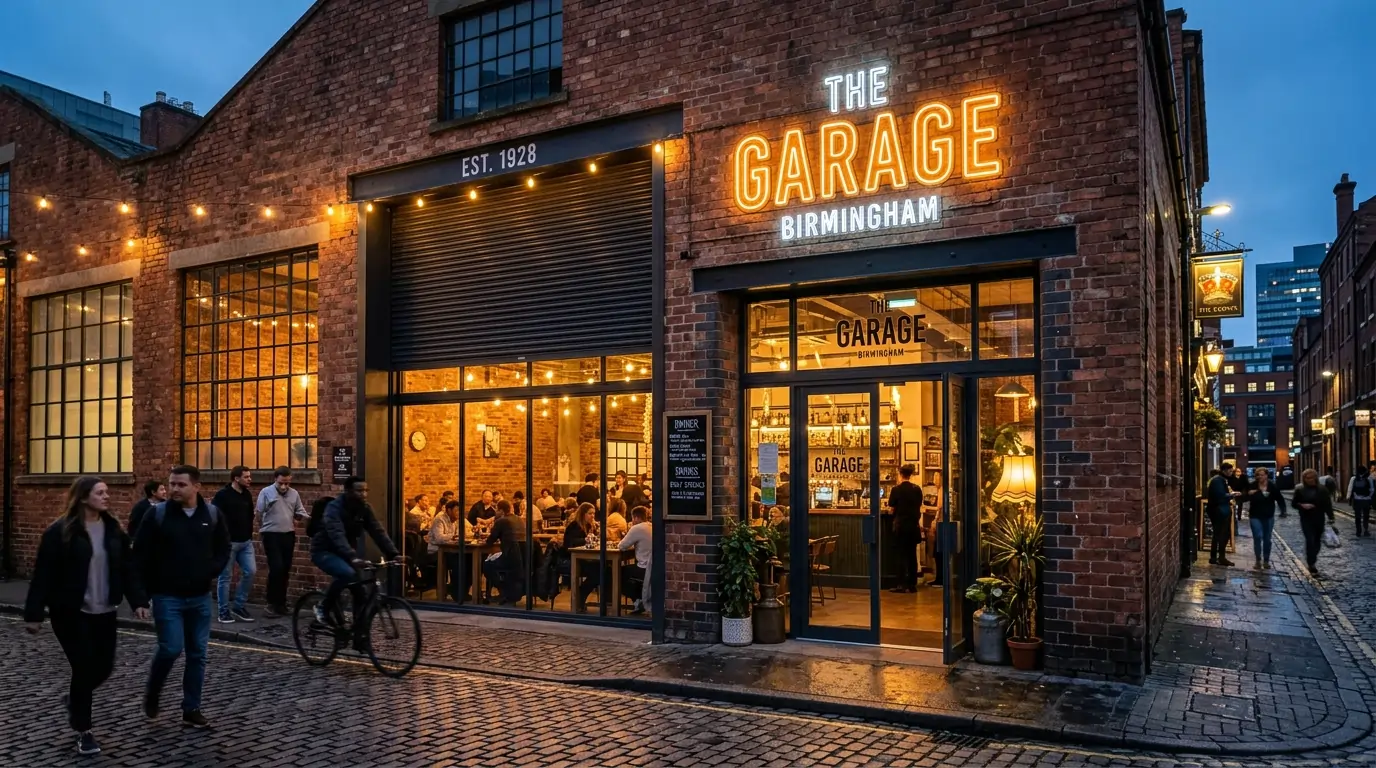
Walk down a side street in Birmingham and you’ll spot them everywhere. Solid brick garages. Corrugated doors. Spaces that were meant for cars but now sit quietly, collecting bikes, boxes, and the odd paint tin. And yet, some of the city’s most interesting food stories are starting right there, behind a roller shutter. It’s the sort of untapped potential that specialists like garageconversionbirmingham.com see every day, helping property owners turn overlooked spaces into something genuinely useful.
It sounds unlikely, doesn’t it? A garage… as a restaurant? But honestly, once you see it done well, it makes perfect sense.
Why garages keep catching a chef’s eye
Here’s the thing. Restaurants need space, but not just any space. They need somewhere flexible, affordable, and close to people. Birmingham’s garages tick those boxes more often than you’d expect.
For independents especially, converting a garage can feel like a smart middle ground. Cheaper than a high-street unit. Less risky than a full commercial fit-out. And, crucially, full of character. Those brick walls, slightly awkward dimensions, even the original concrete floor — they give you a head start on atmosphere.
There’s also something appealingly honest about it. No glossy shell. No fake history. Just a space that earns its charm.
A very Birmingham sort of solution
This approach suits the city. Birmingham has always been good at making use of what it already has. Old workshops becoming cafés. Former factories hosting street-food kitchens. Garages joining the list feels… right.
In neighbourhoods like Moseley, Stirchley, or parts of Digbeth, a converted garage restaurant fits the rhythm of the street. It’s small. It’s local. You might smell garlic and chilli drifting out while someone parks up next door. That mix is part of the appeal.
Of course, there are practicalities. Planning permission matters. Ventilation definitely matters. Before starting a project, it’s worth checking the Planning Portal’s guidance on garage conversions and any local requirements from Birmingham City Council. A good garage conversion company will already understand those rules, helping avoid delays and expensive surprises.
Building a kitchen without losing the soul
Now let’s talk about the build itself, without getting too technical.
A restaurant conversion isn’t just about making it look good. It’s about flow. How staff move. Where heat builds up. How sound travels when the place fills up on a Friday night. Insulation, drainage, fire separation — all unglamorous, all essential.
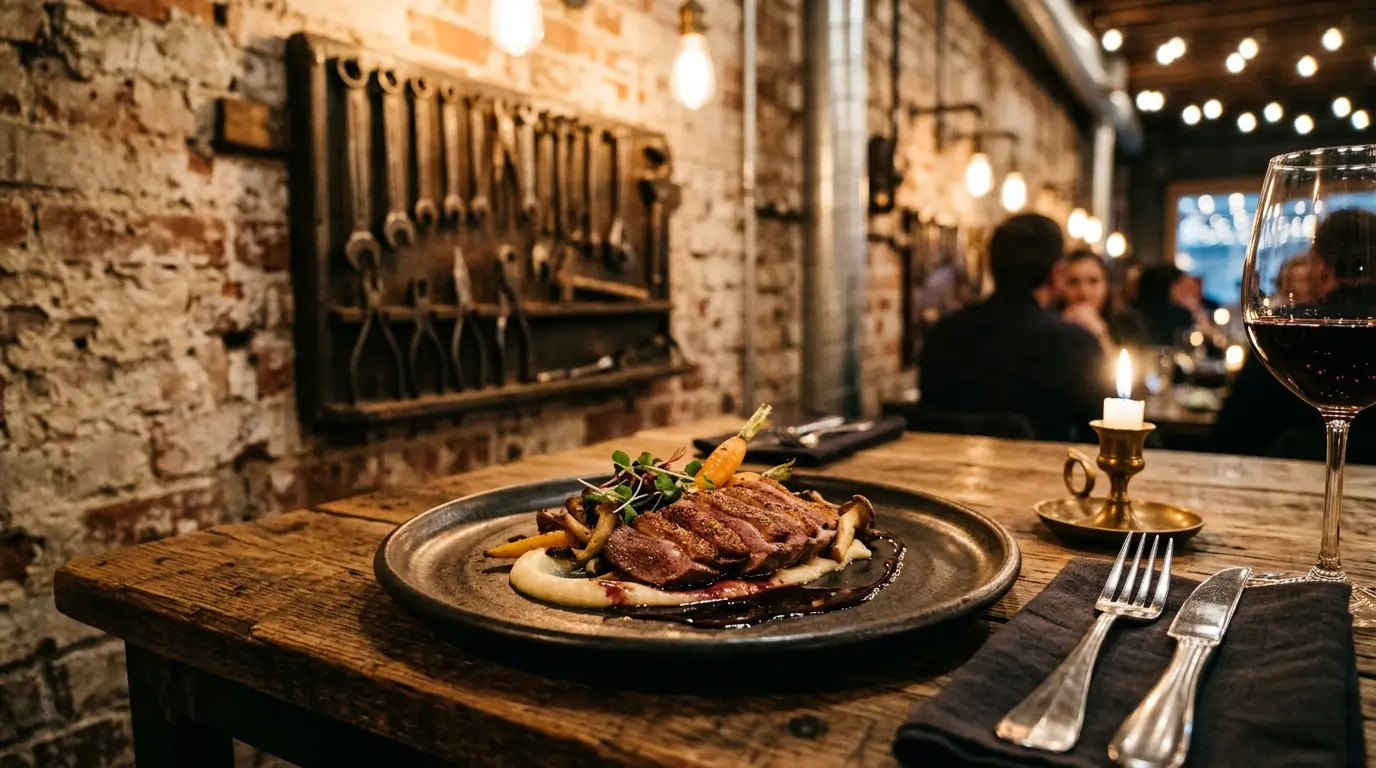
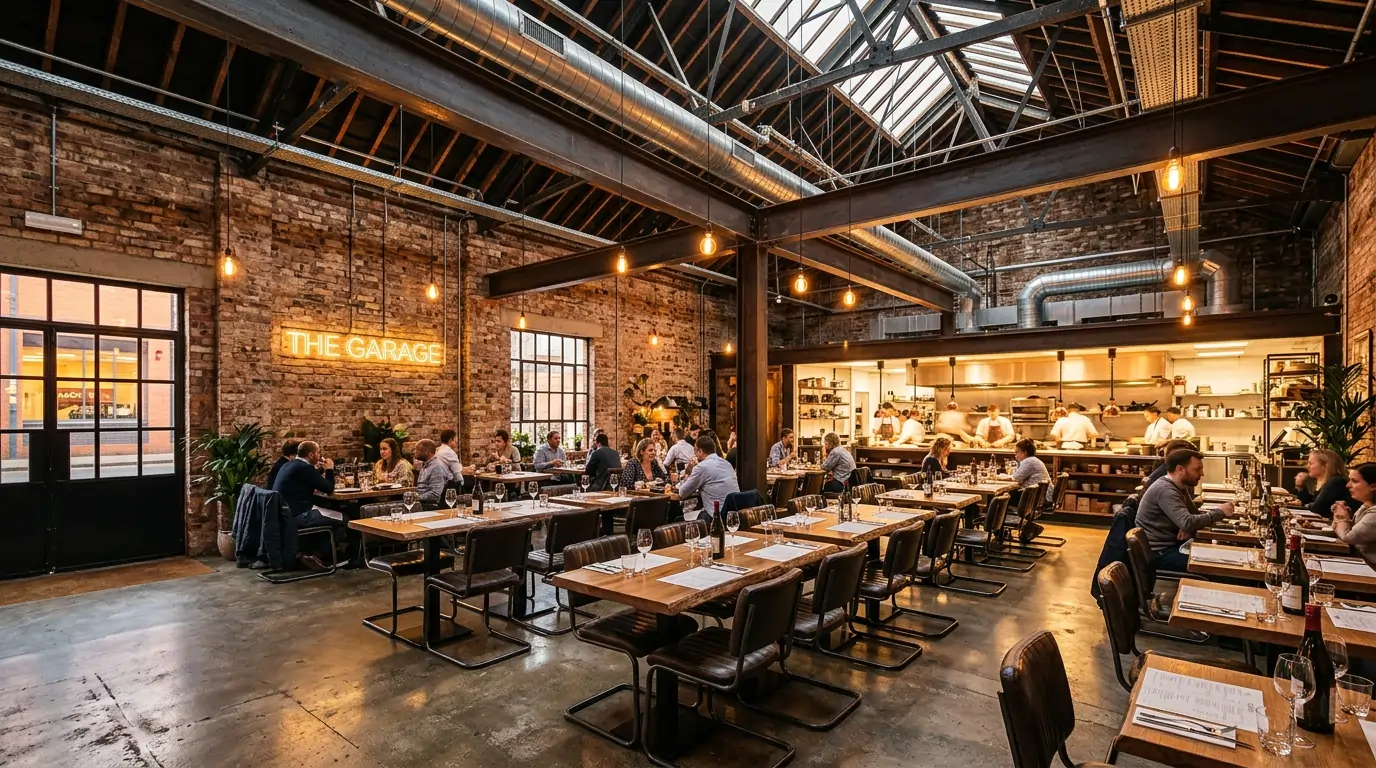
The trick is blending that technical stuff with warmth. You might hide acoustic panels behind timber slats. Run new electrics but keep exposed brick. Install proper extraction, then soften the space with lighting that feels more dinner party than industrial unit.
Some owners lean into the garage origins. Others don’t mention it at all. Both approaches work. Mild contradiction, I know — but it comes down to confidence. If the space feels considered, people relax into it.
A quick digression (bear with me)
Food tastes different depending on where you eat it. Ever noticed that? A simple bowl of pasta feels richer in a small room. A curry tastes bolder when the kitchen’s close enough to hear. Garage restaurants tend to get this right by accident.
They’re intimate without trying too hard. You’re not shouting across the table. You’re not lost in the noise. In winter, when Birmingham’s evenings close in early, that closeness matters more than we admit.
Anyway — back to the bricks and mortar.
What a good conversion really gives you
A successful garage conversion doesn’t just add square footage. It gives a restaurant identity. It tells a quiet story before the menu even lands.
For owners, it’s also about control. Owning or adapting a small structure lets you pace growth. Test ideas. Change layouts. Add a counter here, a bench there, without reworking an entire lease.
For diners, it feels personal. Like discovering something. And let’s be honest, people love telling friends they found “this tiny place, kind of hidden, used to be a garage.”
That word-of-mouth? You can’t buy it.
So, is it worth it?
Not always. And that’s important to say. Some garages aren’t suitable. Some ideas need more room to breathe. But when the match is right — location, concept, build quality — a garage conversion can quietly become the heart of a neighbourhood.
In Birmingham, a city that’s always cooking up something new from old foundations, that feels less like a trend and more like instinct.
And if you ask me? Those roller shutters still going up at dusk, lights warming the brickwork inside — that’s the kind of reinvention that sticks.
